
Colic in horses is one of the most common and potentially serious health concerns facing horse owners in Australia. Put simply, colic refers to abdominal pain — but behind that simple definition lies a wide range of causes and outcomes, from mild discomfort to life-threatening intestinal rupture or death.
Recognising the early signs of colic in horses can make a significant difference to the outcome. Common symptoms include:
If you notice any of these signs, contact your vet promptly. Colic can escalate quickly.
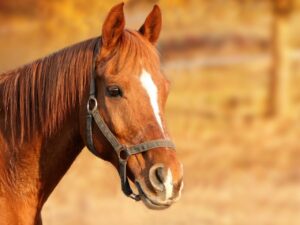
A horse’s digestive system evolved for a life of near-constant movement and grazing. This means the modern domesticated horse — often confined to a stall and fed grain-heavy diets — can be at higher risk of digestive problems.
Key contributing factors to colic in horses include:
Sand colic is a specific and common form of colic in horses across many parts of Australia, particularly in regions with sandy soils and sparse vegetation.
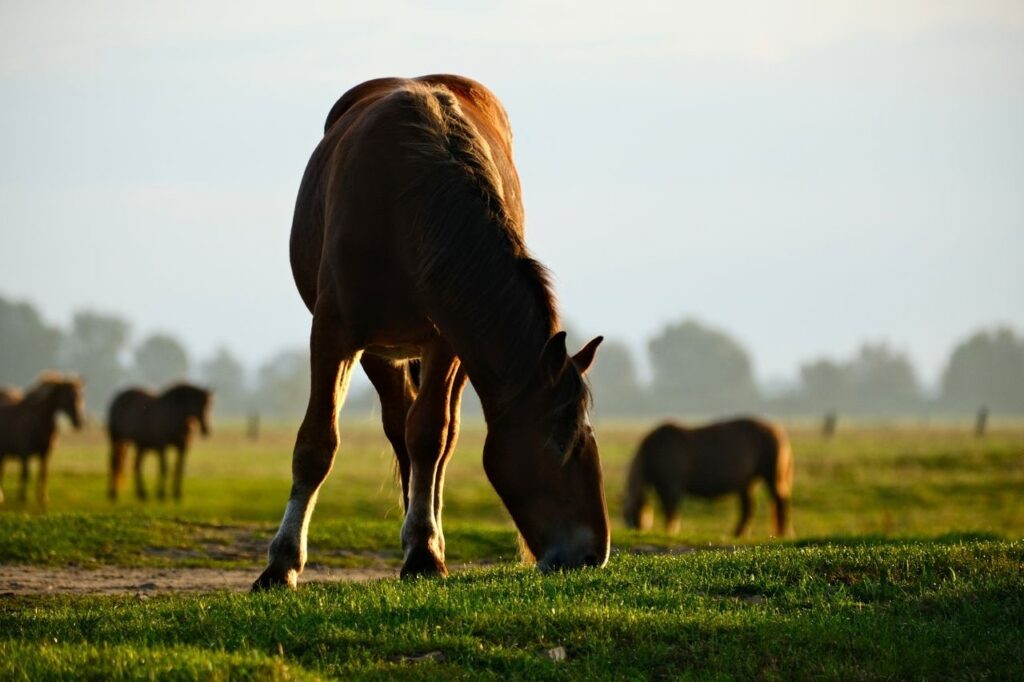
Sand colic occurs when horses ingest sand while grazing — usually unintentionally. Over time, sand accumulates in the digestive tract, causing irritation, blockages and abdominal pain. The risk is highest in summer when pasture and ground cover thin out, leaving horses to graze closer to bare soil.
In some cases, horses may intentionally consume sand — this can be a sign of mineral deficiencies and warrants investigation.
If you suspect your horse may have a sand load, you can perform a simple faecal sand sedimentation test:
No bag on hand? Mix the manure balls with water in a bucket and look for sand settling at the bottom.

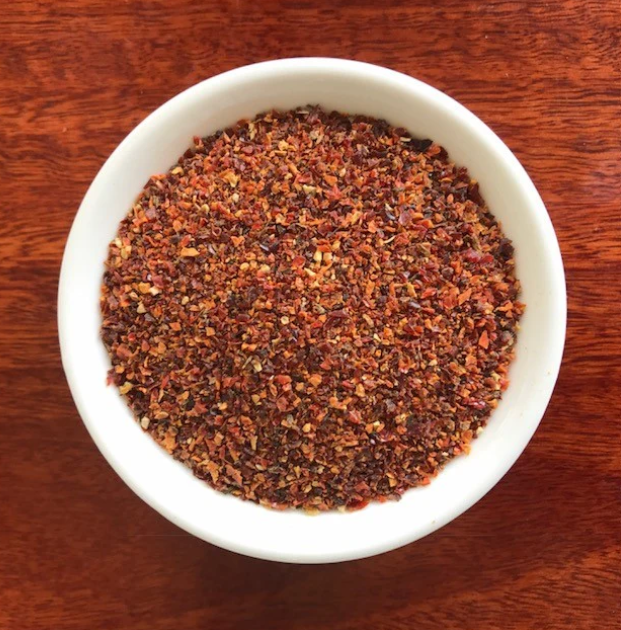
The most effective prevention for sand colic is regular use of psyllium husk supplements. Psyllium husk is a highly soluble fibre that forms a gel-like mass when it contacts moisture in the digestive tract, helping to move sand and food through the gut and prevent dangerous build-up. It’s the same active ingredient found in Metamucil®, the well-known constipation remedy for humans.
A range of high-fibre psyllium husk products are now available specifically formulated for horses, making it easier than ever to incorporate into your feeding routine. Always ensure your horse has access to ample clean, fresh water to support the benefits of psyllium husk supplementation.
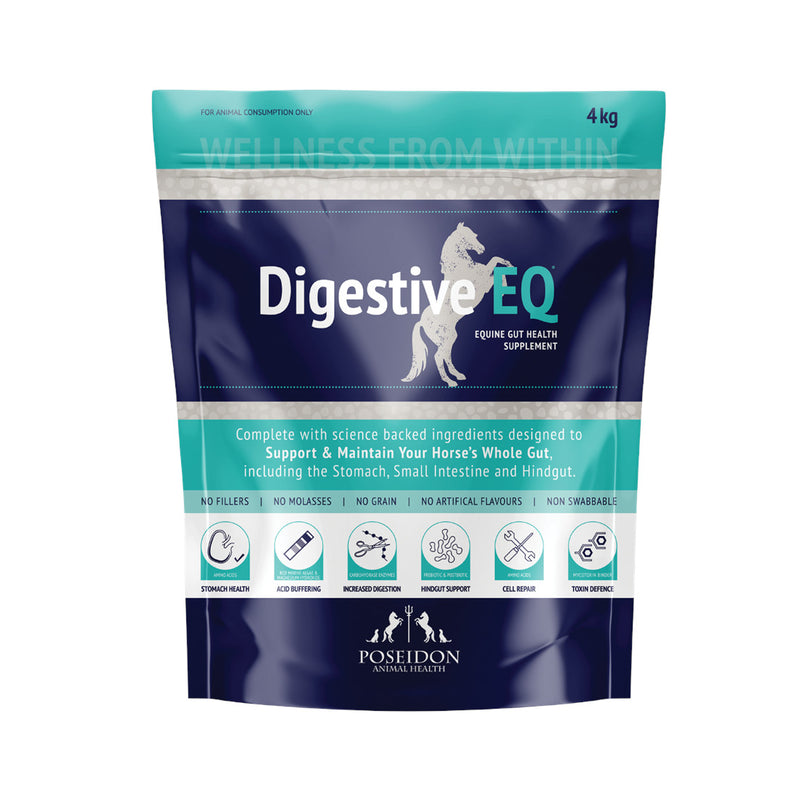
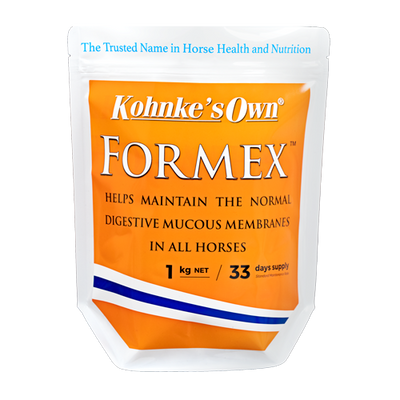
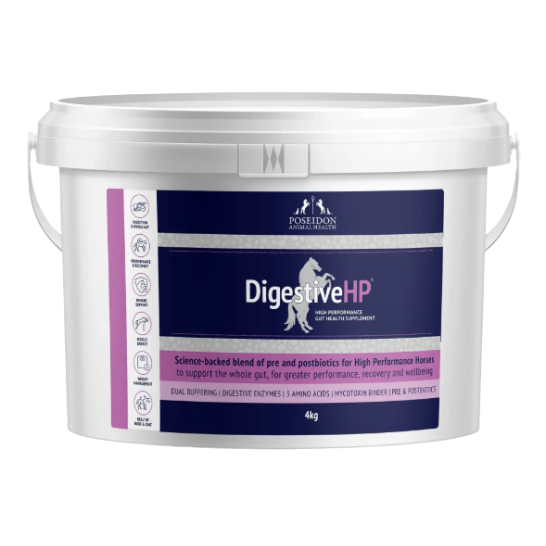
At FarmCo, we stock a range of psyllium husk products to help manage and prevent sand colic in horses:
For personalised advice on managing colic in horses or to find the right product for your situation, drop into FarmCo Moora any time or call us on 1300 327 626.