
Animal health – weaning season
With weaning season under way across the district, FarmCo Moora has some timely advice on keeping calves healthy through one of the toughest weeks of their lives.
By Amanda Walker, FarmCo Moora
Weaning is stressful. For a young calf, being separated from its mother, yarded, handled and switched to a new diet all at once is a big shock to the system. That stress weakens the immune system right when disease pressure is at its highest.
The secret to healthy weaners is simple: reduce all stress.
In this article
Low-stress cattle weaning starts before the first calf is drafted off its mother. Have feed and water ready in the yards from the start, and offer quality feed from day one, because hay alone is not enough for young calves.
Penning calves by size and paddock of origin stops bigger calves bullying smaller ones off the trough, so every weaner gets a fair go at feed and water. Reliable water matters too – check trough float valves before the calves come in.
Stress also opens the door to coccidiosis, the disease that catches many producers out. Coccidia live in the gut, and when a calf’s immunity drops their numbers explode, damaging the intestine.
The tell-tale sign is bloody or black scours, usually three to five weeks after weaning – long after the calves seem to have settled. Severe cases lose weight fast and can die, and badly affected calves often end up as permanent poor doers.
Prevention is far cheaper than cure. Nutritious feed from weaning day, with no breaks in supply, is the best defence, backed by Rumensin® (monensin) in the ration at about 25 mg/head/day. You can also lower the risk with:
Handle Rumensin with care. Overdosing is toxic, and even small amounts can kill horses. Severe or chronic coccidiosis cases can be treated individually with Scourban®.
Vaccination is the next line of defence when weaning calves. Clostridial vaccine (5-in-1 or 7-in-1) is the foundation, and two doses are needed for protection.

Then there are worms. Most weaners carry them. Ill thrift, rough coats, condition loss and green scours are the obvious signs, but poor weight gain on its own can point to a hidden burden.
Rather than guess, a worm egg count (WEC) test shows whether a drench is needed. A second count 14 days after drenching confirms the drench actually worked – which matters more than ever with drench resistance on the rise.
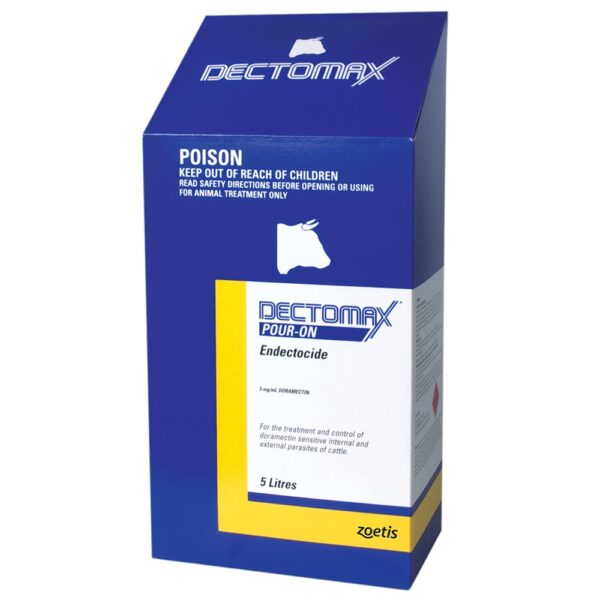
If a drench is needed, FarmCo stocks options such as Dectomax Pour-On and Cydectin Long-Acting Injection, plus pour-on applicators for accurate dosing. After drenching, move weaners onto spelled paddocks and check them regularly for lice.
For more on worm control and WEC testing, read our guide to cattle health at calving.
For all your cattle weaning needs, talk to the team at FarmCo Moora. We stock the cattle health products and supplies to get your weaners off to a strong start, along with the local advice to put it all together:
FarmCo Moora carries out WEC tests onsite. Drop in fresh dung samples before weaning to take the guesswork out of drenching and protect the drenches that work on your property.
Plan this season’s weaning with FarmCo Moora
69 Roberts Street, Moora | 08 9651 1312
Have feed and water ready in the yards before drafting, feed quality rations from day one (not just hay), pen calves by size and paddock of origin in groups under 100 head, and provide shade, clean water, dust control and quiet handling.
Usually three to five weeks after weaning. Look for bloody or black scours, often after calves seem to have settled.
A clostridial vaccine (5-in-1 or 7-in-1) is the foundation, with two doses needed for protection. A bovine respiratory disease vaccine is also worth considering. Give no more than two vaccines at once.
Test first. A worm egg count (WEC) test shows whether a drench is needed, and a second test 14 days after drenching confirms it worked. FarmCo Moora offers WEC testing onsite.
Always read and follow product labels, including withholding periods. For a herd-specific health program, talk to your veterinarian.