
Equine health – summer
Horses grazing close to the ground over summer can swallow a lot of sand. A simple at-home test helps pick up the problem early, before it becomes an emergency.
By Amanda Walker, FarmCo Moora
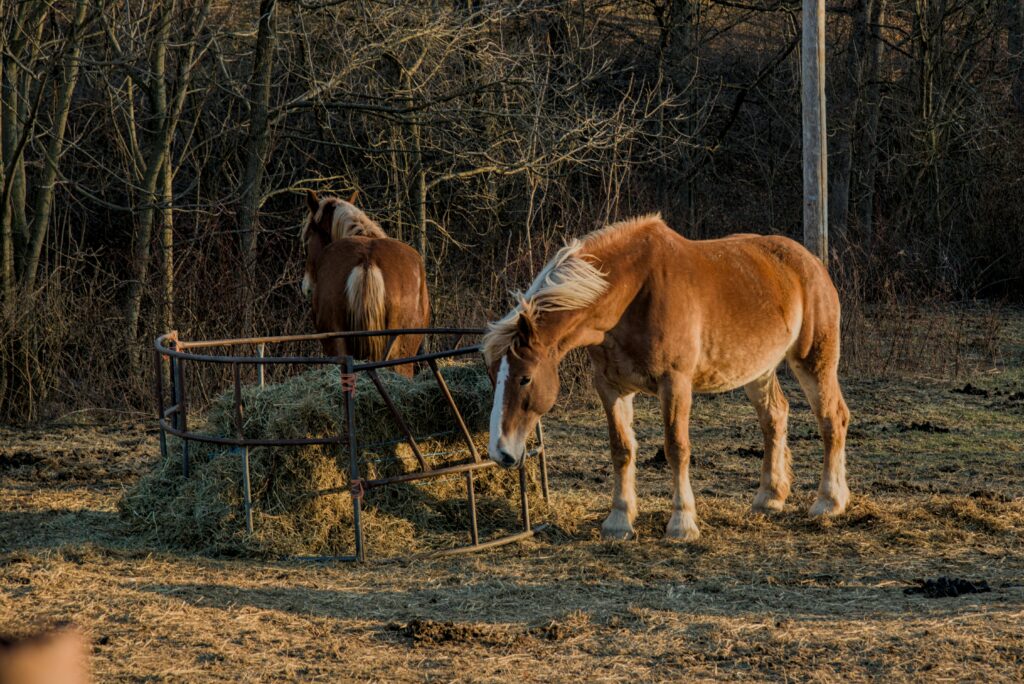
Horses may take in sand when grazing close to the ground over summer. Over time, it settles and builds up in the large colon, causing weight loss, loose manure and colic. In severe cases, sand colic in horses may need surgery and can even be fatal.
The good news is that an at-home sand test can detect sand early, so owners have time to act.
In this article
Local conditions make sand colic a real summer concern. For example, sandy and sandplain soils are common across the district. In addition, dry summer pasture is often grazed down to the roots and soil. Other common risk factors include:
Watch for these warning signs:
In particular, mild colic signs that keep coming back are a red flag. For more on the causes and types of colic, read our guide to colic in horses.
EMERGENCY: However, rolling, sweating, rapid breathing or no manure passed means you should call a vet immediately.
As a general rule, test monthly from late spring until after the autumn break. You should also test straight away whenever a horse loses condition, has loose manure or shows mild colic signs.
The sand sediment test is quick, cheap and easy to do at home. In fact, all you need is a rectal sleeve and some water.
1. Collect: First, take 6 fresh manure balls from the top of the pile, not touching the ground.
2. Mix: Next, place them in a rectal sleeve, add water and squeeze to break the manure up.
3. Hang: Then hang the sleeve fingers down and leave it for about 30 minutes.
4. Check: Finally, look for sand settled in the fingertips and compare it with the guide below.
| Sand in the sample | What to do |
|---|---|
| None or a trace | Retest monthly over summer |
| Up to a teaspoon | Review feeding and retest in 1–2 weeks |
| More than a teaspoon | Contact a vet before starting any treatment |
Even so, a clear test does not rule out sand. If you’re unsure, a vet can confirm with ultrasound or x-ray.
Prevention starts with feeding. Above all, feed hay and hard feed off the ground. Also provide plenty of hay, so horses are not picking close to the soil.
For example, psyllium husk products are commonly used in vet-advised sand-clearing programs. For this reason, FarmCo stocks Sand Flush Psyllium Husk 1.5kg, Equine Technology Psyllium Husk 1kg and Vetafarm Equilax 1.5kg.
Free sand test kits at FarmCo Moora
Collect a free rectal sleeve, instructions and summer feeding advice in store.
69 Roberts Street, Moora | 08 9651 1312
Horses swallow sand when grazing short pasture, eating hay off sandy ground or drinking from shallow dams and low troughs. As a result, the sand settles in the large colon and builds up over time.
Do a sand sediment test. First, put 6 fresh manure balls in a rectal sleeve and add water. Then squeeze to break them up and hang the sleeve fingers down for about 30 minutes. Finally, check the fingertips for settled sand.
Test monthly from late spring until after the autumn break. In addition, test straight away if a horse loses condition, has loose manure or shows mild colic signs.
Call a vet immediately if your horse is rolling, sweating, breathing rapidly or has passed no manure. Similarly, contact a vet if the sand test shows more than a teaspoon of sand.
This information is general in nature. Veterinary advice should be sought for a sick horse.