Animal health – sheep drenching
6 key steps to maximise your drenching success.
A practical guide to reducing worm numbers and drench resistance in your flock, from testing before you treat to checking your drench has worked.
TALK TO OUR ANIMAL HEALTH TEAM
DOWNLOAD THE PDF
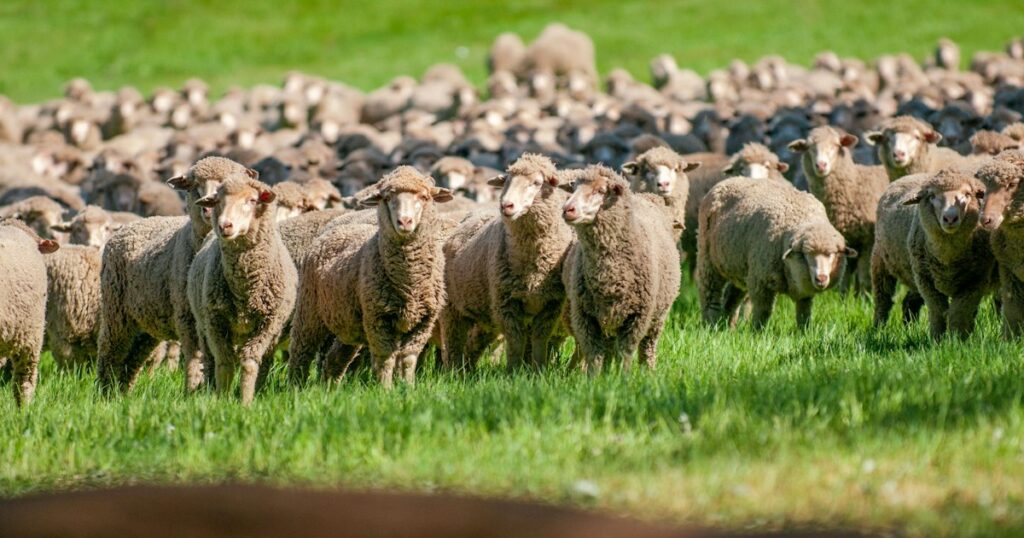
Worms in sheep carry a significant economic cost. Meat & Livestock Australia estimates internal parasites cost the sheep industry $369 million a year, and drench resistance levels in WA are high compared with other countries.
The good news is that worms can be managed with a multi-pronged approach.
1. Build resistance from within
Select rams with negative worm egg count (WEC) ASBVs, and keep selecting for, and culling away from, worm-resistant stock.
Where pasture quality is limited, boost natural immunity through nutrition, particularly by supplementing pregnant ewes and sheep under a year old with quality protein.
2. Quarantine new arrivals
Every new sheep on farm should get a quarantine combination drench including at least four effective drench chemical families. ParaBoss recommends drenching new arrivals, holding them in the yard for a day or two, then moving them to a ‘wormy’ paddock to dilute any surviving worms, or to a paddock going into crop to break the worm life cycle.
3. Test before you treat
If worms aren’t currently an issue in your flock, don’t waste money or time drenching. A faecal egg count tells you whether you need to (see Parasight below).
4. Time it right
In the medium to high rainfall zones of south-west WA, only the more worm-susceptible weaners and hoggets need drenching over summer. WormBoss recommends holding off drenching adult sheep until autumn, as most adults carry low worm egg counts in summer. Holding off also lets some less resistant worms survive on the property, which helps dilute resistant worms.
After drenching, move sheep onto clean pasture, as worm larvae can survive for several months in previously grazed paddocks. The WormBoss Drench Decision Guide gives advice for your mob and location.
5. Switch up your drench
Rotating your drench, and the chemical group or combination of groups you use, is one of the most effective ways to slow drench resistance. Continued use of a single drench speeds it up.
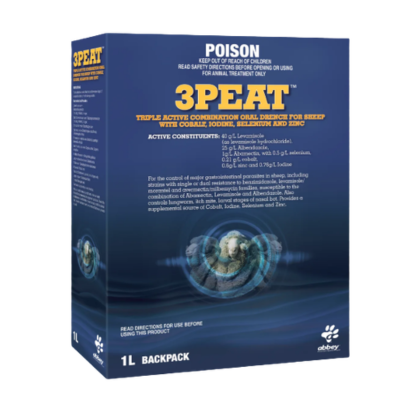
We stock broad and narrow spectrum drenches across the macrocyclic lactone (ivermectin, abamectin, moxidectin), levamisole, benzimidazole and monepantel groups, plus closantel and naphthalophos. We keep a record of what you’ve bought, so you can choose a different group when it’s time to switch.
6. Monitor what’s working
Check your drench is working every season with a Parasight test, taking samples 14 days after drenching (7–10 days for levamisole and other short-acting drenches). A 95–100% drop in faecal worm egg count means the drench was fully effective.
Parasight faecal egg counting – $25
Bring in 10 samples from the mob in a zip lock bag or egg carton. We’ll give you an eggs per gram (EPG) count and an image of the eggs, usually emailed back within a day.
Under 200 EPG? You generally don’t need to drench.
The bottom line
Test before you drench, drench at the right time, rotate your drench groups and check the results. It saves money on drench you don’t need and keeps the drenches you rely on working for longer.
Got questions about drenching or faecal egg count testing? Shop our full range of sheep drenches and worm treatments online, call us on 1300 327 626, or drop into FarmCo Moora or Yerecoin.