
Animal Health
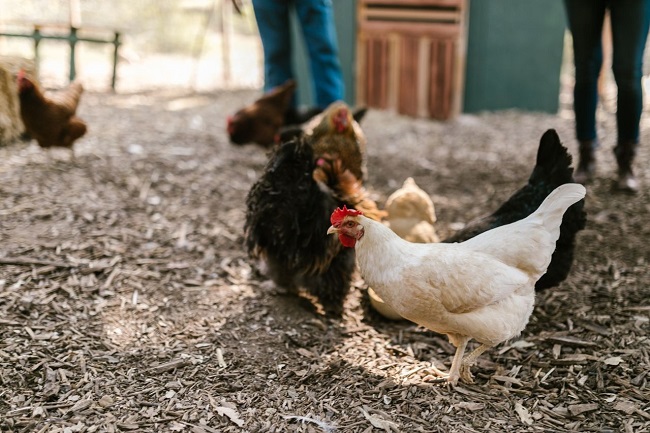
Why Is My Chook Sick? How to Prevent and Treat Worms, Coccidiosis and Mites in Your Flock
Spot, treat and prevent the most common chook health problems — worms, coccidiosis and mites. FarmCo Moora has everything you need.
 What Farmco Recommends It For:
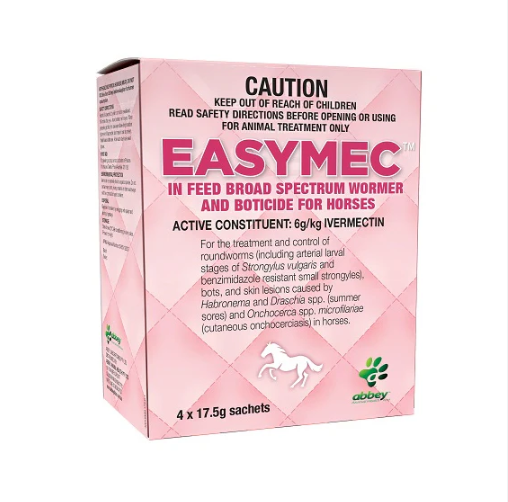
Farmco recommends this Abbey Easymec in feed horse wormer for broad-spectrum parasite control. It’s ideal for horses that won’t tolerate paste or syringe wormers. Plus, the palatable granules mix easily with feed for fuss-free dosing.
Why It’s a Farmco Favourite:It’s a Farmco favourite because this in feed horse wormer offers an easy alternative to paste and pelleted wormers. Additionally, it provides broad-spectrum control of roundworms, bots, and summer sores. As a result, you get effective, cost-effective worming without the struggle.
Worming a fussy or head-shy horse can be a real battle. That’s why this Abbey Easymec in feed horse wormer is such a handy solution. It comes as palatable granules that mix easily with feed. Because horses readily accept them, there’s no wrestling with a syringe. So it’s ideal for horses that won’t tolerate paste wormers. As a result, dosing becomes far simpler and less stressful for you both.
Effective worming means covering a wide range of parasites. Fortunately, this wormer delivers broad-spectrum control in one treatment. It treats roundworms, including the arterial larval stages of Strongylus vulgaris and benzimidazole-resistant small strongyles. Additionally, it controls bots, summer sores caused by Habronema and Draschia, and cutaneous onchocerciasis. Because it’s powered by ivermectin, it works reliably. As a result, you get thorough protection from a single dosing.
This wormer is designed to be flexible and economical. Each box contains four 17.5g sachets, treating two 700kg horses or four 350kg ponies. Because you dose one sachet per 350kg, you can adjust easily to each horse’s weight. So there’s minimal waste. Simply mix the full dose with feed and ensure the horse eats it all. Importantly, if the horse leaves some, add a little sweetened feed to encourage full consumption, since finishing the whole dose keeps it effective.
Spot, treat and prevent the most common chook health problems — worms, coccidiosis and mites. FarmCo Moora has everything you need.
Sheep & Cattle Loose Licks & Lick Blocks: Super Useful Tools for the Summer Months At this point in summer

What to Do When Your Chooks are Laying Weird Eggs or Why are My Chooks Laying Strange Eggs? Have you
Quick Tips for Lice, Worm and Flystrike Management Spring is one of the busiest times of year for sheep farmers.