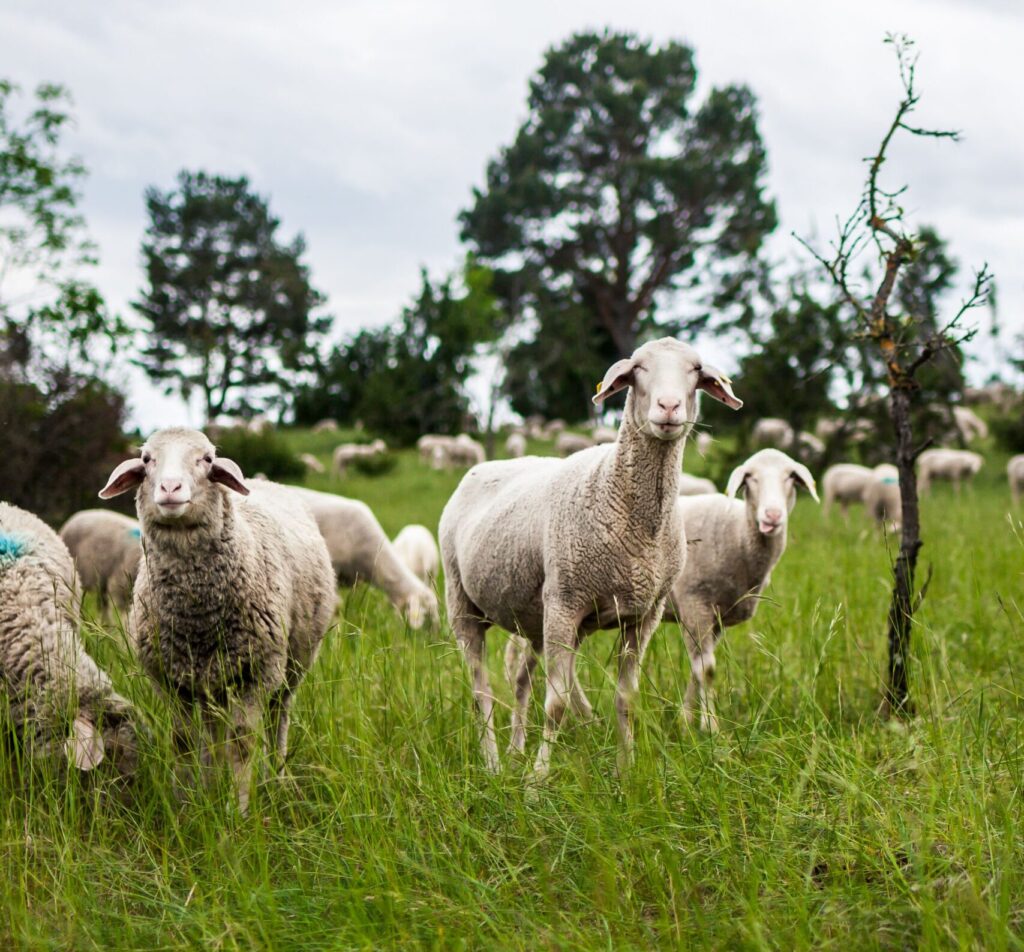

Worms in sheep carry a significant economic cost — Meat & Livestock Australia estimates that internal parasites cost the sheep industry $369 million every year. Worm drench resistance levels in WA are also among the highest in the world. The good news is that with a smart, multi-pronged sheep worm management approach, worm prevalence and drench resistance can both be brought under control.
Effective worm management in sheep goes well beyond simply reaching for a drench. A comprehensive strategy combines genetics, nutrition, and targeted use of sheep drenches to get the best results.
One of the most powerful long-term strategies is using rams with negative faecal egg count (FEC) values and continuously selecting for worm-resistant animals. Culling non-worm-resistant stock reduces the overall worm burden in your flock generation by generation.
Nutrition plays a key role in how well sheep resist internal parasites. Where pasture quality is limited, boosting natural immunity with quality protein supplements is especially important for pregnant ewes and sheep under 12 months old — the most worm-susceptible animals in any mob.
Any sheep new to your property pose a real biosecurity risk for introducing drench-resistant worms. Administering a quarantine combination drench to all incoming sheep is essential. This drench should include at least four effective drench chemical families to ensure any resistant worms are caught.
After drenching, Paraboss recommends keeping new sheep in the yard for a day or two, then moving them to either:
If worms aren’t an issue in your current flock, you don’t want to waste money or time on unnecessary drenching. That’s why FarmCo offers the Parasight faecal worm egg counting service — so you can confirm whether worms are actually a problem on your farm before you spend a cent on drench.
The Parasight machine delivers an Eggs Per Gram (EPG) count and an image of the eggs within minutes, with results emailed to you — usually within a day. The service costs just $25 per mob, and all you need to do is bring in 10 samples from the mob in a zip-lock bag or egg carton.
As a general guide:
This simple, low-cost test can save you significantly on unnecessary drenching costs.
When worms are confirmed as a problem, the timing of drenching and the type of sheep being drenched will directly influence how effective your drench is.
In WA’s south west medium to high rainfall zones, only the more worm-susceptible weaners and hoggets typically need drenching in summer. According to WormBoss, drenches for adult sheep are best held over until autumn because:
After drenching, always move sheep to uncontaminated pasture. Worm larvae shed by other animals can survive on pasture for several months, so moving freshly drenched sheep onto contaminated paddocks can quickly undo your efforts.
For tailored drench timing advice based on your mob’s condition and your location, the WormBoss Drench Decision Guide is an excellent, free resource.
Switching your sheep drench regularly — and rotating between different chemical groups or combinations — is one of the most effective ways to slow drench resistance and reduce worm burdens over time. Continued exposure to a single drench increases the rate at which resistance develops in worm populations.
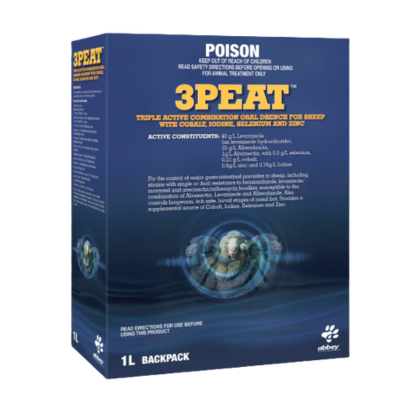
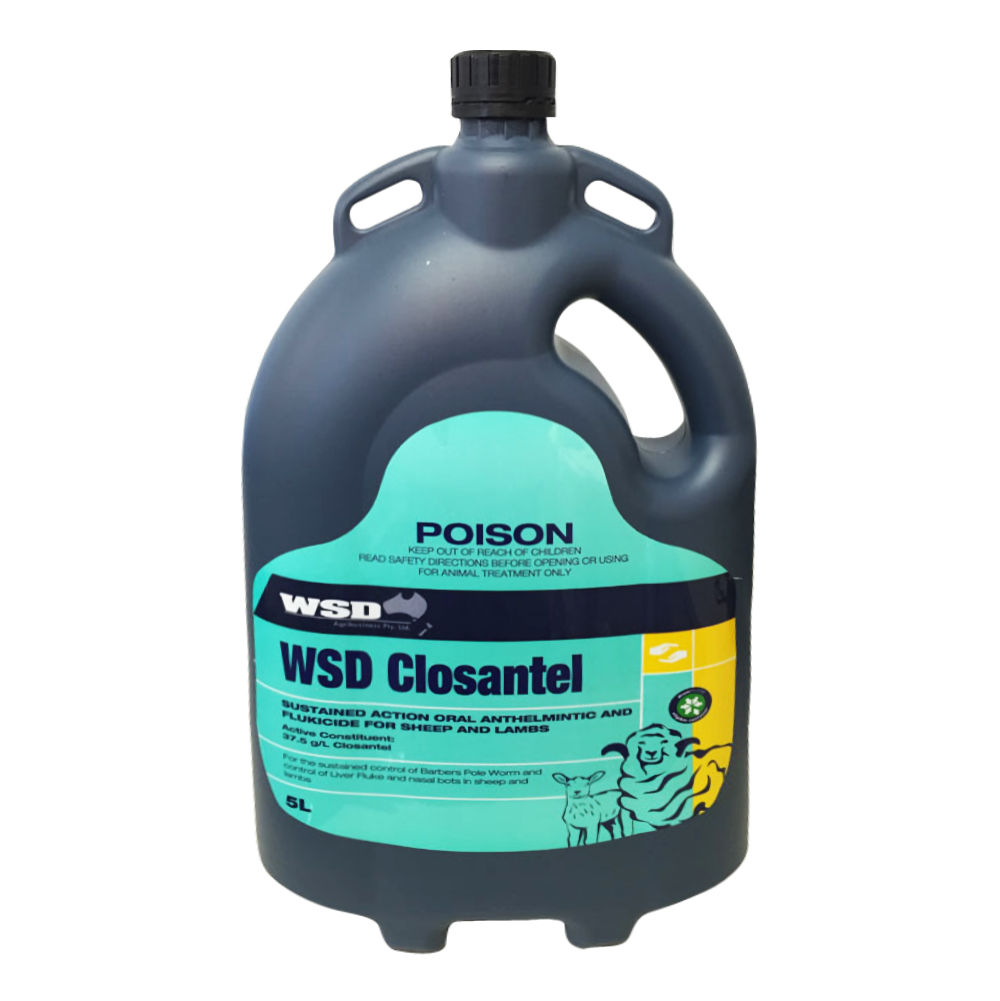
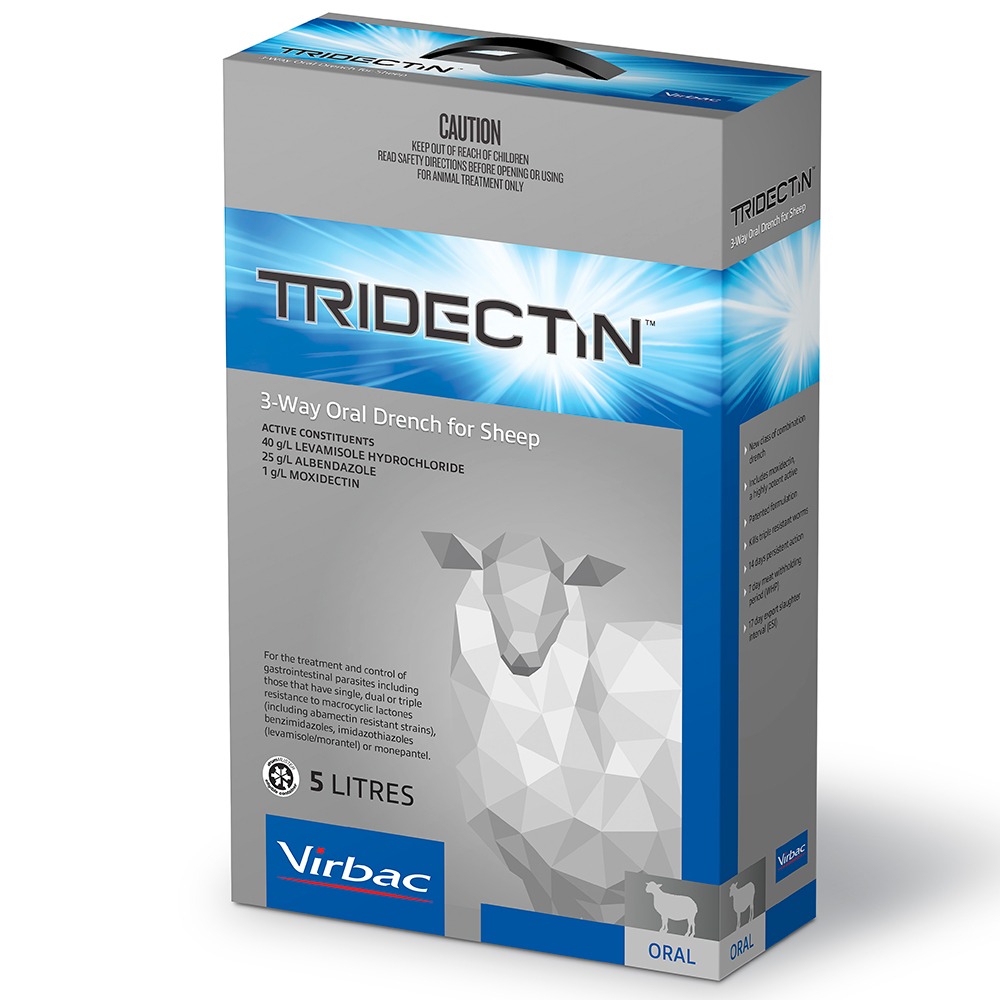
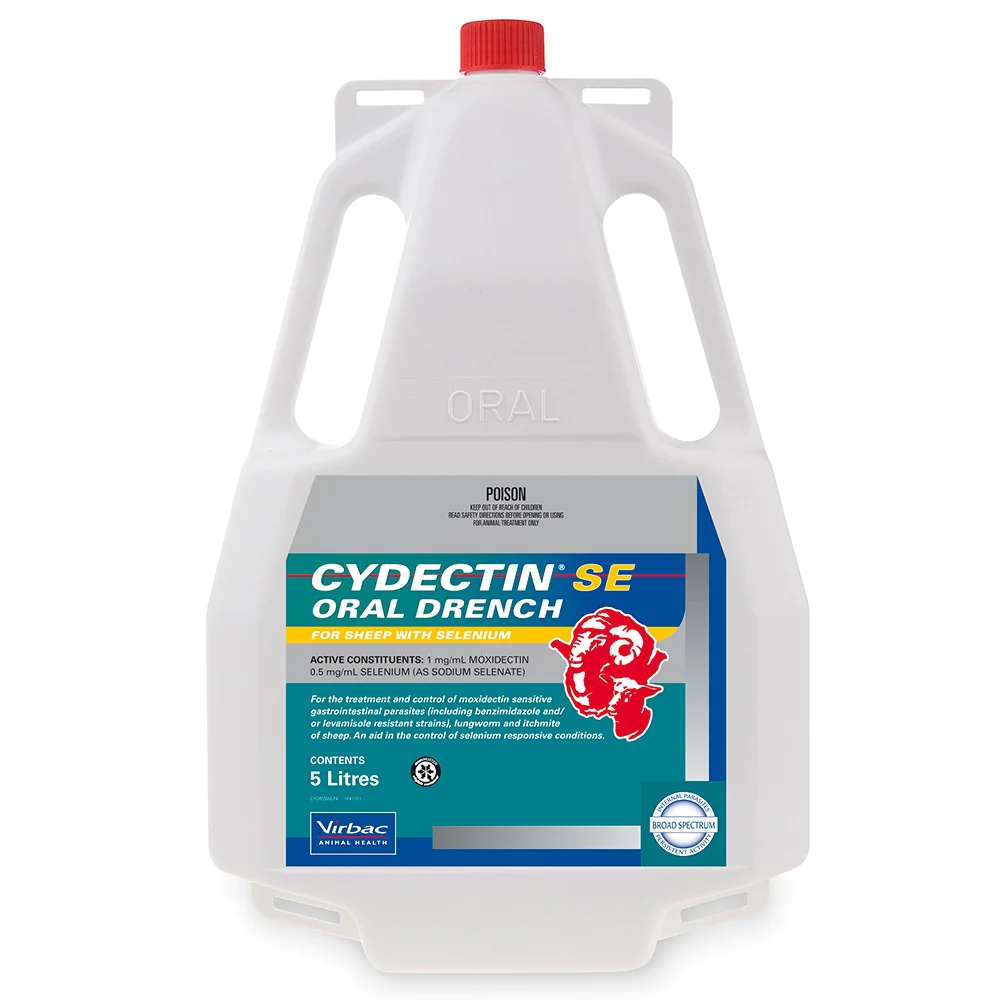
There are a number of drenches on the market based on different chemical families, including:
FarmCo carries the full range of broad spectrum drench products, so you can get the right drench every time. We also keep records of all drenches purchased by our customers, so we can help you choose an alternative drench when it’s time to rotate — taking the guesswork out of your drench management strategy.
As part of your overall worm management strategy, we strongly recommend monitoring drench effectiveness every season using the Parasight faecal egg count service. Simply take samples 14 days after drenching and compare the EPG result to your pre-drench count.
Regular post-drench testing is the clearest way to know your sheep worm control programme is actually working.
Whether you need help choosing the right drench, understanding your faecal egg count results, or building a worm management plan for your flock, the team at FarmCo Moora is here to help.
Drop in any time or give us a call on 1300 327 626.