


Getting phosphine right in on-farm silos comes down to three things: knowing when to fumigate, how to apply it and what products to use. This grain storage fumigation guide from FarmCo Moora covers each step, from a clean silo through to delivery, along with dosing rates, timelines and the safety essentials.
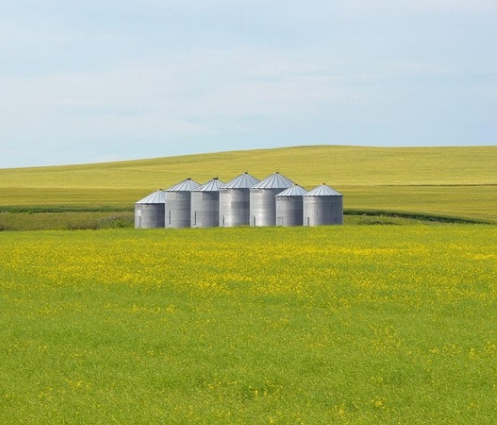
The gas must stay high enough for the full exposure period to kill eggs, larvae, pupae and adults. In a leaky silo it escapes, the toughest insects survive and resistance builds.
Phosphine is a knockdown treatment, not a protectant. Hygiene, cooling and regular checks matter just as much.
Test every silo before you fumigate. If a silo fails, do not fumigate it.
Minimum time for pressure to halve (AS 2628):
| Silo type | Minimum half-life |
| New silos | 5 min |
| Existing silos | 3 min |
Fumigate when monthly checks find live insects, or before grain is sold or delivered. Sample from the silo top, where insects breed first. Five adult beetles can mean around 450 insects across all life stages.
Sealing warm grain straight after harvest traps moisture and causes mould. Do not fumigate grain below 9% moisture.
At 15 to 25°C with an aeration fan, plan for 13 to 17 days.
| Stage | Days | When it ends |
| Exposure, fully sealed | 10 days | Day 10 |
| Venting | 1 to 5 days | Day 11 to 15 |
| Withholding | 2 days | Day 13 to 17: deliver |
Above 25°C exposure drops to 7 days. Without a fan, venting takes at least 5 days and can take much longer, so allow extra time.
Each 3 g tablet of QuickPhos or Fumiken releases 1 g of phosphine. The label rate is 1.5 g per m³, which is 3 tablets for every 2 m³ of silo space.
Dose on the full silo volume, not the grain inside, so a half full silo still needs the full dose. A 100 m³ silo needs 150 tablets.
Seal all hatches, vents and fan housings first. Spread tablets in a single layer on non-flammable trays on the grain surface so the gas moves down through the grain. In silos over 150 t, recirculate the gas for the first 4 to 5 days.
Do not use when grain is below 15°C or silo humidity is below 25%.
Grain cannot be moved or delivered until venting and the 2 day withholding period are complete.
| Grain temperature | Exposure | Venting | Withholding | Total time |
| Above 25°C | 7 days | 1 to 5 days | 2 days | 10 to 14 days |
| 15 to 25°C | 10 days | 1 to 5 days | 2 days | 13 to 17 days |
| Surface only, silo over 375 m³ | 20 days | 1 to 5 days | 2 days | 23 to 27 days |
| Below 15°C | Do not fumigate. Phosphine will not work. |
Venting: at least 1 day with an aeration fan, 2 to 5 days with natural draught (300 t or more), at least 5 days with no airflow.
Any load with phosphine detected at CBH receival is rejected and cannot be tendered again.
Tell CBH staff the grain was fumigated and declare all chemical use on the Crop Declaration Form.
Some export markets need residue free grain, so check this season’s receival standards before using any protectant.
| Product | Rate | Notes |
| Phosphine tablets (QuickPhos, Fumiken) | 3 tablets per 2 m³ of silo space (1.5 g phosphine per m³) | Sealed silos only. Surface only in silos over 375 m³ needs a 20 day exposure. |
| Dryacide (amorphous silica dust) | Empty storages: 2 g/m² as dust or 6 g/m² as slurry. Grain: 1 kg per tonne | Best on empty silos and equipment. No withholding period, but it can lower test weight, so ask CBH before treating grain. |
Always read the label before use. Sumithion 1000EC (fenitrothion) is labelled for stored grain in WA by bulk handlers only, so it is not an on-farm option.
This section applies to UPL QuickPhos only. For other phosphine products, follow that product’s label.
Note: UPL works on a 20 day exposure. Where this differs from the phosphine timing table above, follow the registered label.
| Storage capacity (m³) | Grain (tonnes) | Tablets (3 g) | Bags (34 g) | Bag chain (10 x 34 g) | Blankets (3.4 kg) |
| 2 | 1.6 | 3 | |||
| 4 | 3.2 | 6 | |||
| 7.5 | 6 | 11 | 1 | ||
| 10 | 8 | 15 | |||
| 20 | 16 | 30 | 3 | ||
| 50 | 40 | 75 | 7 | 1 | |
| 100 | 80 | 150 | 13 | 2 | |
| 500 | 400 | 750 | 66 | 7 | |
| 750 | 600 | 1,125 | 100 | 10 | 1 |
| 1,000 | 800 | 1,500 | 133 | 13 | |
| 1,500 | 1,200 | 2,250 | 200 | 20 | 2 |
| 3,000 | 2,400 | 4,500 | 400 | 25 | 4 |
Blank cells mean no amount is listed for that product at that size. Source: UPL QuickPhos basic principles guide.
QuickPhos® is a registered trademark of UPL Australia Pty Ltd · upl-ltd.com/au
This is a general guide only. Always follow the product label and SDS. Label rates and CBH standards can change, so check before use. For advice on your storage, contact your FarmCo agronomist.
Sources: QuickPhos, Fumiken and Sumithion 1000EC labels · Dryacide · GRDC Groundcover · DPIRD (agric.wa.gov.au) · CBH (cbh.com.au) · UPL SiloKeeper app
(Suggested internal links — link to existing articles in the FarmCo How To and Resources section as they become available.)