
Fast Delivery Australia-Wide • Free Shipping on Your First Order (*T&Cs apply) Dismiss
Skip to content
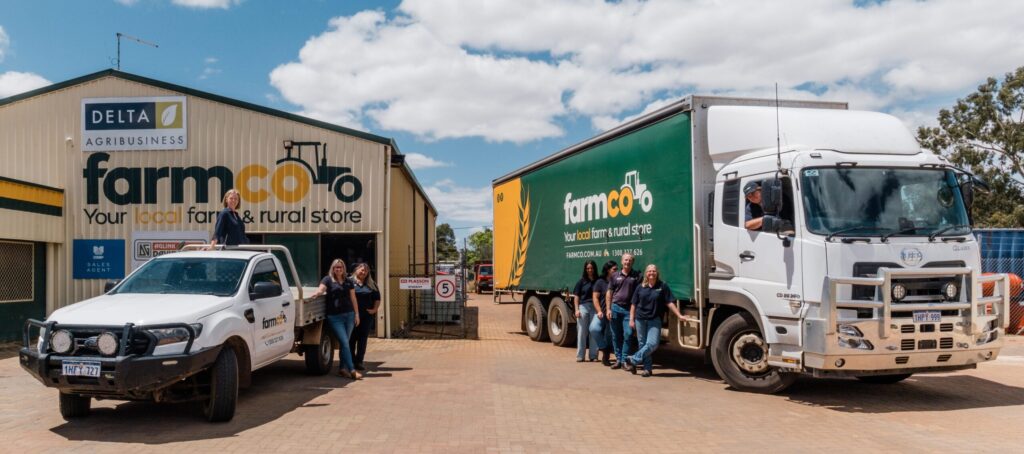
Practical, proven ideas on reducing farm costs = from rainwater tanks and solar to on-farm storage and machinery care.
Running a farm profitably means keeping a close eye on costs, and the good news is that many of the best money-saving strategies on farm involve making smart infrastructure investments that pay for themselves over time. Here’s a breakdown of the infrastructure, tools, and approaches that experienced Australian farmers use to keep costs down.
Rainwater tanks remain one of the most practical and cost-effective farm investments available. Combined with an inexpensive pump, they provide access to a significant on-farm water store. Farm sheds and dwellings typically have substantial roof areas capable of capturing large volumes of rainwater, and rainwater tanks allow farmers to make the most of that capture potential at relatively low cost.
Silos, field bins, and large fertiliser sheds are extremely valuable farm assets. Storage infrastructure gives farmers far greater flexibility in grain handling and sale, and maximises options for storing crops, feed, and fertiliser across varying seasons and years. It also supports crop planning, seed storage, and the feeding of livestock through the summer months, all of which can reduce costs and improve farm resilience.
Utilising either windmills powered by free wind energy or solar pumps powered by free solar energy over bores that tap into quality groundwater can deliver significant long-term cost advantages. Once the initial infrastructure is in place, the ongoing cost of supplying water for stock and other farm needs is substantially reduced.
Livestock can be used to graze off the remains of horticultural or agronomy crops after harvest, turning what would otherwise go to waste into a productive feed source. Livestock can also help manage weeds and grass during winter and spring. Many farmers use animals to tidy up weeds in orchards, around dwellings, and in firebreak strips, reducing the cost and effort of weed management before summer.
Solar panels are an excellent option on Australian farms, which benefit from both abundant sunshine and large shed and dwelling roof areas suitable for panel installation. Effective solar systems can substantially reduce farm power costs over the long term, making them a sound investment for most farm operations.
Regular maintenance of farm machinery, vehicles, and equipment might not be the most exciting topic – but it pays significant dividends. Routine servicing prevents small problems from becoming large, expensive failures. It also extends the working life of second-hand equipment considerably, giving farmers many additional years of reliable performance from their machinery.
The common thread across all of these strategies is the same: investing a little in the right infrastructure and habits consistently saves a lot more down the track.
Join now for instant savings!
Enter your full name and email to access the PDF.
Enter your full name and email to access the PDF.
Enter your full name and email to access the PDF.
Enter your full name and email to access the PDF.
Enter your full name and email to access the PDF.
Enter your full name and email to access the PDF.
Enter your full name and email to access the PDF.
Enter your full name and email to access the PDF.
Enter your full name and email to access the PDF.
Enter your full name and email to access the PDF.
Enter your full name and email to access the PDF.
Enter your full name and email to access the PDF.
Enter your full name and email to access the PDF.
Enter your full name and email to access the PDF.
Enter your full name and email to access the PDF.
Enter your full name and email to access the PDF.
Enter your full name and email to access the PDF.