
Caring for sheep and pregnant ewes as summer winds down in the Wheatbelt
There’s a particular kind of relief that settles over the Wheatbelt as the worst of summer begins to ease. The days start to shorten, the nights carry just a hint of coolness, and for many local producers, attention turns from simply surviving the heat to setting the mob up for the months ahead.
But that seasonal shift — as welcome as it is — brings its own set of challenges. And for producers managing pregnant ewes, the transition from late summer into autumn is one of the most critical windows of the entire year.
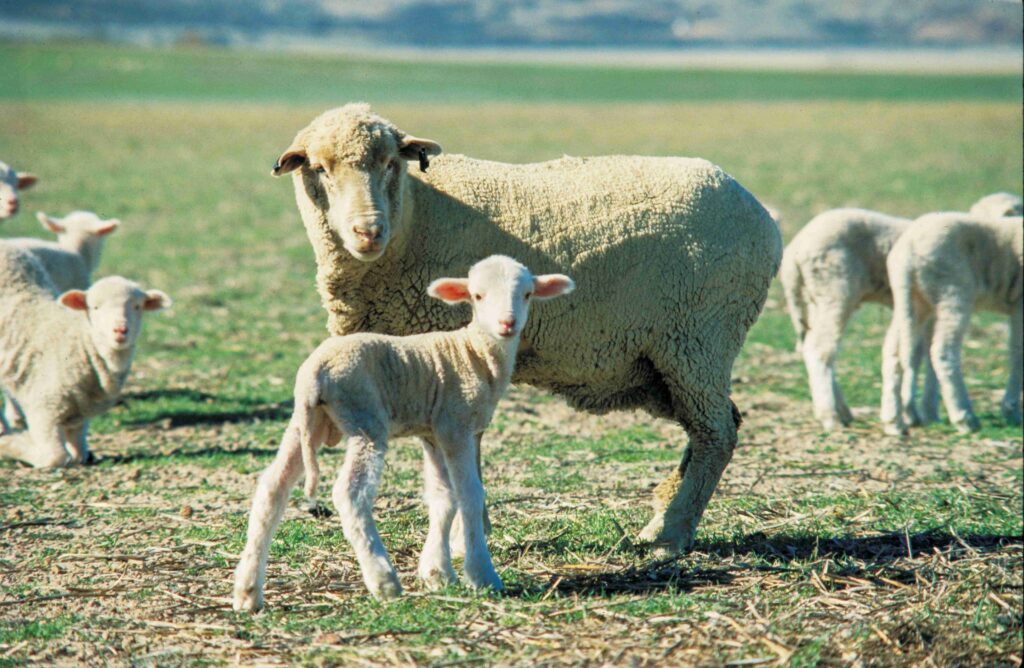
A Wheatbelt summer is relentless. Heat stress, depleted pastures and poor feed quality work together to erode body condition quietly and consistently. Ewes in particular carry the double burden of maintaining their own health while also supporting the early stages of pregnancy — and many will have been doing that through the toughest feed conditions of the year.
By the time we reach late summer, it’s common to see ewes that look reasonably well on the surface but are carrying hidden nutritional deficits — deficiencies in trace elements, energy, protein and key minerals like calcium and sulphur that won’t show up until they’re really needed. And they will be needed — as pregnancy progresses, the nutritional demands on a ewe increase significantly, particularly in the final six weeks before lambing.
“The end of summer isn’t a time to ease off on supplementary feeding. If anything, it’s the time to get more intentional about it.”
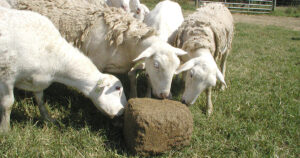
Energy and protein are the headline acts. Green feed in the early weeks of a break is often high in water content and lower in digestible energy than it appears. Ewes entering mid to late pregnancy need sustained energy intake to support foetal development and to begin building the body reserves they’ll draw on during lactation. Feed blocks — particularly an energy and protein focused option like the Consolidated Nutrition Orange Block — can bridge that gap reliably, sitting in the paddock and allowing sheep to self-regulate their intake without any fuss from the farmer.
Trace elements and minerals quietly underpin everything else. Calcium is critical for foetal bone development and for the ewe’s own muscular function — a ewe deficient in calcium going into the final weeks of pregnancy is at greater risk of conditions like hypocalcaemia (milk fever) around lambing. Sulphur plays an important role in wool growth and is a key building block of several amino acids essential for foetal development. Bio John’s Superior Calcium Sulphur Mix addresses both of these needs in a simple, easy-to-use form.
Rumen health is the foundation that makes everything else work. A ewe with a healthy, well buffered rumen will convert feed more efficiently, cope better with ration changes, and be more resilient overall. As producers introduce grain supplements to boost condition ahead of lambing, the risk of rumen acidosis increases. Carb soda (sodium bicarbonate) buffers rumen pH and reduces that risk significantly — offered free-choice alongside grain, it allows sheep to self-medicate as needed. It won’t break the bank, but it can absolutely save you a ewe.
Condition scoring should be happening regularly right now. Ewes heading into the final third of pregnancy ideally sit at a body condition score of around 3 to 3.5. Those falling below that mark need targeted intervention — whether through a quality dry feed supplement, a lick block program, or a combination of both. Bio John’s Superior Dry Feed Supplement for Sheep is a 25 kg option that works particularly well in this scenario.
For producers who haven’t yet explored lick blocks as part of their feeding program, late summer into autumn is a great time to start. They’re one of the most practical tools available to Wheatbelt producers — low labour, no waste, and effective across a range of nutritional needs.
The Consolidated Nutrition range offers three distinct options: the Blue Block for mineral and trace element support, the Orange Block for energy and protein, and the Green Feed Block as a balanced all-round nutritional top-up. The right choice depends on your country, your feed test results if you have them, and what your ewes are telling you. Our team is always happy to help work through the options.
For a deeper look at how lick blocks and loose licks work, visit our blog: Sheep & Cattle Loose Licks & Lick Blocks
Of course, not every sheep on your place is a pregnant ewe. Weaners, dry ewes, rams — all will have felt the pressure of a Wheatbelt summer and all will benefit from a considered approach to supplementary feeding as the season changes. Great Aussie Stock Aid (Original) remains a trusted all-rounder for producers looking to maintain mob condition across the board.
The decisions made now about ewe nutrition will directly influence lamb survival rates, birth weights, ewe recovery post-lambing and the overall productivity of the next season. The tools to get it right are simple, accessible and affordable. You don’t need a complicated program — you need the right products, used consistently, at the right time.
If you’d like to talk through what your mob might need heading into this season, come in and chat with our team at FarmCo Moora. We know Wheatbelt conditions, we stock what works, and we’re always happy to help.
| PRODUCTS MENTIONED — AVAILABLE IN STORE AT FARMCO MOORA | |||||
| Great Aussie Stock Aid (Original) | Consolidated Nutrition Blue Block | ||||
| Consolidated Nutrition Orange Block | Consolidated Nutrition Green Feed Block – Buy 6 get 1 free (in-store only) | ||||
| Carb Soda (Sodium Bicarbonate) | Bio John Superior Dry Feed Supplement Sheep | ||||
| Bio John Superior Calcium Sulphur Mix | |||||
Meat & Livestock Australia (MLA) — ewe nutrition, condition scoring, Lifetime Ewe Management program: mla.com.au
DPIRD WA — WA-specific guidance on sheep nutrition, trace element deficiencies and seasonal feeding: dpird.wa.gov.au
Australian Wool Innovation (AWI) — ewe and lamb health, wool nutrition and flock management: wool.com
Sheep Connect WA — local extension resources and seasonal producer advice: sheepconnect.com.au
FarmCo Blog — practical guide to lick blocks and loose licks: farmco.com.au/blog/sheep-cattle-loose-licks-lick-blocks
This article was contributed by FarmCo Moora. Always consult your local veterinarian or livestock nutritionist for advice specific to your flock and property. Promotional pricing subject to change.